Banzai Pipeline & the North Shore Surf Season Explained
August 24, 2026
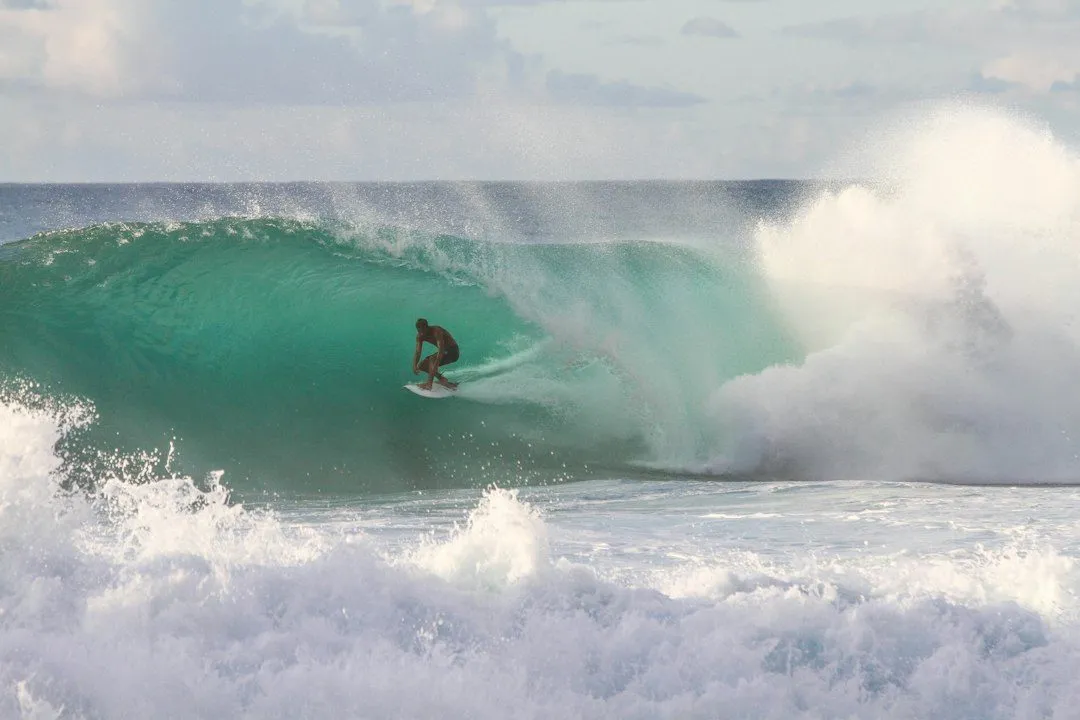
The Banzai Pipeline on Oahu’s North Shore is one of the most famous waves in the world. Every November through March, it draws the best surfers on the planet — and thousands of spectators who come just to watch. You don’t need to surf to have a life-changing experience here. You just need to know when to show up and where to stand.
What Makes Banzai Pipeline So Famous?
Pipeline breaks over a shallow reef just offshore from Ehukai Beach Park. The wave pitches hard and throws a thick, hollow tube. Surfers ride inside that tube — inside the “barrel” — before it crashes on the reef below.
That combination of size, power, and shape makes Pipeline one of the few places on Earth where surfers genuinely test what’s possible. When the swell is big, waves reach 20 to 40 feet and move faster than most people can sprint.
It’s also deeply photogenic. The wave breaks close to shore. You can watch and photograph the action from the beach with stunning clarity.
When Does the Pipeline Surf Season Run?
The North Shore surf season runs from roughly November through March, with the biggest and most consistent swells arriving in December and January. Here’s what to expect each month:
- November: Season opener. The first significant swells arrive. Contest windows open. Waves are often overhead-plus but not yet at peak size.
- December: The prime month. Swells are most consistent and the Triple Crown reaches its climax. This is the month most surf fans plan their trips around.
- January: Often the biggest month of the year. The largest swells tend to arrive in January. Crowds are lighter than December.
- February–March: The season winds down. Swells become less frequent, but some of the biggest single days of the year still happen in February.
For a full look at what the North Shore is like month by month, see the best time to visit North Shore Oahu guide.
What Is the Vans Triple Crown of Surfing?
The Vans Triple Crown of Surfing is a three-event professional surf contest series held on the North Shore each November and December. The three venues are Haleiwa, Sunset Beach, and Pipeline.
Pipeline hosts the Billabong Pipe Masters — the final and most prestigious event in the series. Winning it is considered one of surfing’s greatest achievements. Dozens of World Surf League events happen worldwide each year. Pipeline is the one that matters most in the sport’s culture.
Contests run during “holding periods” — windows of several weeks when organizers wait for the right conditions. Check the current contest status at the WSL website. When a swell hits and the contest is “on,” word travels fast — and so should you.
Where Should You Stand to Watch Pipeline?
The best spectator spot is Ehukai Beach Park, right at the break. Walk down to the sand and position yourself directly in front of the wave. On big swell days, that spot gives you an unobstructed view of takeoffs, barrels, and wipeouts.
A few positioning tips:
- Stay above the waterline. Winter shorebreak at Pipeline is dangerous. Sneaker sets surge far up the beach without warning.
- Arrive early on contest days. The beach fills quickly when conditions are good.
- Bring a zoom lens or a good phone camera. The wave is close to shore, but a zoom puts you inside the action.
- Watch both sides of the break. Pipeline has a left-hand wave; Backdoor — the right-hand wave breaking off the same peak — is equally impressive and slightly less crowded for spectators.
For everything else worth doing while you’re on the coast, see the North Shore Oahu visitor guide and the full things to do on the North Shore rundown.
Is Pipeline Safe to Watch From the Beach?
For spectators standing on the sand, Pipeline is safe — as long as you respect the ocean.
Winter shorebreak is powerful. Waves that look small from a distance can knock you off your feet if you’re standing too close. Keep a healthy distance from the waterline on big days.
The rocks on either side of the beach are more dangerous. Never climb the rocks during big surf. People are swept off those rocks and seriously hurt every winter. Stay on the sand.
For a broader look at winter safety and what to pack, the North Shore winter guide has everything you need.
Can You Swim at Pipeline?
Not when the surf is up. In winter, Pipeline is not a swimming beach. The shorebreak alone can injure or drown a strong swimmer. Rip currents during big swells are extremely powerful.
In summer, when the North Shore swell drops, Ehukai Beach becomes calm and swimmable. But if you’re visiting November through March and want to swim, head somewhere protected. Kuilima Cove — just a few minutes from our rental — stays calm year-round. It’s walkable from Kuilima Estates and rarely crowded.
Where to Stay for Pipeline Season
The North Shore’s surf season is spread across about seven miles of coastline. Staying near Turtle Bay puts you within 10–15 minutes of Pipeline, Sunset Beach, and Waimea Bay.
Our one-bedroom condo at Turtle Bay Hale sits in the Kuilima Estates community, just east of Turtle Bay Resort. You can be at Ehukai Beach Park in about 10 minutes. On big swell mornings, you can hear the surf from the lanai.
Basing yourself here during contest season means you can check conditions in the morning, decide where to spend the day, and not fight two hours of traffic back to Waikiki at night. When a swell hits during the Triple Crown and the contest is called on, you want to move quickly — staying local makes that possible.
The North Shore surf season is one of Hawaii’s greatest spectacles. You don’t have to ride a wave to feel it. Standing on the sand at Pipeline on a 25-foot day, watching the world’s best surfers disappear into barrels the size of a house — that’s something you’ll talk about for years. Plan your trip around it.