Best Time to Visit the North Shore of Oahu (Month by Month)
July 20, 2026
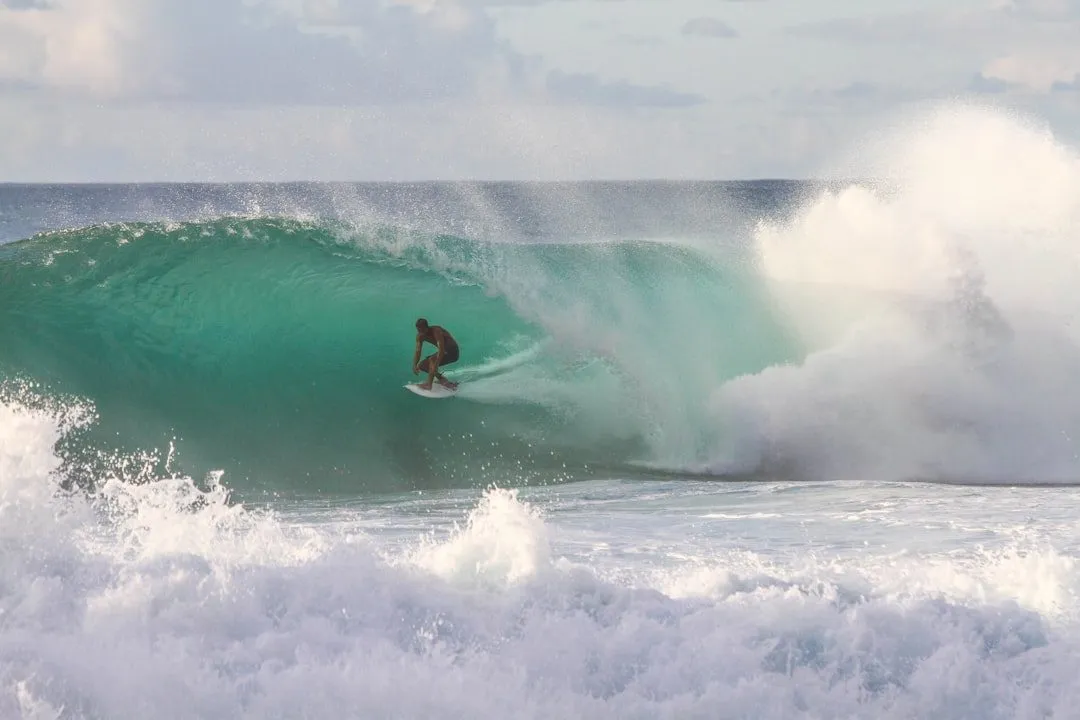
The best time to visit the North Shore of Oahu depends on what you want to do. Come in summer (May–September) for calm, clear water perfect for snorkeling and swimming. Come in winter (November–March) and the same coastline transforms into one of the world’s premier big-wave surfing destinations. There’s no bad time — but there’s a right time for your trip.
Here’s what to expect, month by month.
What is the best time to visit the North Shore of Oahu?
For snorkeling and beach swimming, May through September is the window. For big-wave surf and whale watching, November through February is when the North Shore is at its most dramatic.
The shoulder months — March, April, and October — offer a blend of both. Crowds are lighter. Prices often dip. You might get lingering swell with calmer days in between. If you want sunshine without the summer peak, September and early October is the sweet spot: summer weather holds, but the crowds have thinned considerably.
What is North Shore Oahu like in summer?
From May through September, the North Shore runs in beach mode. Daytime highs hover around 85–90°F (29–32°C). The tradewinds keep the humidity manageable. Rain showers happen but usually pass quickly.
The ocean is the real story. North swells die down and the water flattens. Protected snorkeling spots like Kuilima Cove open up fully. Open-coast spots like Sharks Cove and Three Tables become safe and spectacular. See the North Shore snorkeling guide for the full breakdown on each spot and when to go.
Sea turtles are more visible in summer too. They feed in the shallows close to shore. Laniakea Beach sees its highest turtle activity in July and August — go before 8 AM to avoid the crowds.
Accommodation rates peak in July and August. Popular spots fill up early in the morning, every morning.
What is North Shore Oahu like in winter?
From November through March, the North Shore runs on a different calendar. Temperatures drop slightly — highs around 79–82°F (26–28°C), lows near 66–70°F (19–21°C). The change feels mild by mainland standards. The ocean, though, changes completely.
North Pacific swells arrive and build waves that reach 20 to 50 feet at Pipeline, Sunset Beach, and Waimea Bay. The Triple Crown of Surfing brings professional surfers and large crowds to these breaks from November through December when waves cooperate.
Humpback whales migrate to Hawaiian waters from December through April. You can often spot them from the bluffs near Turtle Bay — no boat required. The North Shore winter guide covers big-wave season, whale watching, and what to pack in detail.
Month-by-month: what should you expect?
January and February
Coolest, wettest months. Highs around 79–80°F (26–27°C). January brings the biggest swells of the year and the most consistent whale sightings. Rain is more frequent than summer but rarely lasts all day. Crowds are lighter than December, except around major holidays.
March and April
Transition months. Swells start backing off. Some open-coast swimming beaches reopen. March is typically Oahu’s rainiest month — not constant, but expect more gray days. By April, summer mode begins arriving. Shoulder-season pricing applies.
May and June
Early summer arrives. North swells have mostly flattened. The snorkeling spots are opening for the season. Temperatures warm and trade winds are reliable. This is an excellent window — summer conditions without peak crowds. Rates are competitive compared to July and August.
July and August
Peak summer. Warmest temperatures. Calmest water. Most reliable beach days. Also the busiest time of year on the North Shore. Book accommodation well ahead. Arrive early at popular spots — Laniakea, Sharks Cove, and Haleiwa get crowded by mid-morning.
September and October
The quiet window. Summer crowds fade but summer weather usually holds through September. The ocean stays calm. Rates drop. Early October can still be warm and pleasant, though the first north swells sometimes arrive before November. It’s a gamble with real upside if conditions cooperate.
November and December
Big-wave season opens. Contest season brings energy and spectators to Sunset Beach and Pipeline. December holiday visitors fill accommodation quickly — book early if traveling over Christmas or New Year’s.
When are the North Shore beaches least crowded?
September and January are the quietest months. September has summer weather without peak summer traffic. January has dramatic surf without the holiday crowds. Both offer more room at popular spots and better availability in accommodation.
Weekdays beat weekends in any month. Arriving at sunrise — before 8 AM — is still the most reliable strategy for empty beaches at Laniakea, Sharks Cove, and the Kahuku shrimp trucks.
What can you do in each season?
Summer is for snorkeling, swimming, stand-up paddleboarding, and calm-water beach days. Sharks Cove, Three Tables, and Kuilima Cove are all open. Turtle sightings at Laniakea are reliable.
Winter is for watching big surf, whale spotting from shore, and experiencing the North Shore at its most alive. Even non-surfers find Pipeline and Sunset Beach genuinely thrilling during a big swell.
Year-round: Haleiwa town, the Kahuku food trucks, Waimea Valley, hiking, and Kuilima Cove. The cove’s natural rock breakwater keeps conditions manageable in almost any weather. It’s the one spot that works every month of the year.
Where should you stay on the North Shore?
Staying near Turtle Bay puts you within walking distance of Kuilima Cove and a short drive from every major beach. The North Shore Guide is the best starting point for planning the full trip. For the accommodation decision, the Kuilima Estates condo sits right between the surf beaches to the west and the calm cove on the property’s edge — which means you have options no matter what the ocean is doing.
A full kitchen helps in both seasons. In summer, you’re coming in from the water multiple times a day. In winter, a rainy evening is much better spent cooking at home than driving to a restaurant. See the best beaches on the North Shore to start mapping out which spots fit your timing.
The North Shore rewards every season — you just need to know which one matches your trip.