Winter on the North Shore of Oahu — What to Expect & What to Pack
March 18, 2026
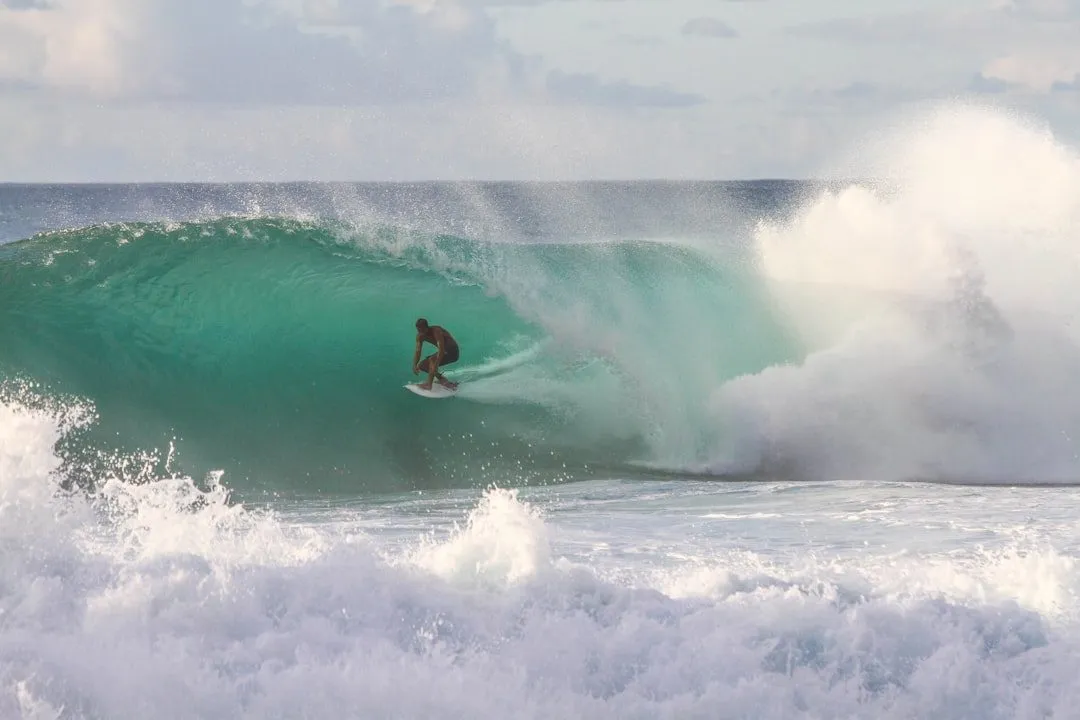
While most of Hawaii stays warm year-round, winter on the North Shore of Oahu is a different experience entirely. From November through February, this seven-mile stretch of coastline transforms into one of the most exciting places on the planet — massive surf rolls in from the North Pacific, humpback whales breach offshore, and the beaches take on a raw, powerful energy you won’t find in summer.
If you’re planning a winter trip to the North Shore, here’s everything you need to know — from weather and wave conditions to what to pack and what to do while you’re here.
What Winter on the North Shore Is Really Like
Forget everything you’ve heard about Hawaii being the same temperature all year. While it’s true that Oahu never gets cold by mainland standards, winter on the North Shore has a distinctly different feel from summer. The air is cooler, especially in the mornings and evenings. Rain showers roll through more frequently — sometimes heavy, often brief. And the ocean? It’s a completely different animal.
The North Shore’s famous big wave season runs from roughly November through March, with peak swells typically hitting in December and January. Waves that lap gently at the shore in summer can reach 30 to 50 feet during winter storms. The entire coastline comes alive with energy, sound, and spray.
For visitors staying near Turtle Bay and Kuilima Estates, winter is genuinely special. The crowds thin out compared to summer, the sunsets get more dramatic, and the whole North Shore takes on a quieter, more intimate vibe — except, of course, when the big swells arrive and the surf community descends on Pipeline and Sunset Beach.
North Shore Winter Weather: Month by Month
Here’s what to expect from the weather during winter months on the North Shore:
November
The transition month. Daytime highs hover around 82°F (28°C), and nighttime lows dip to about 70°F (21°C). The first significant swells start arriving, and the Vans Triple Crown of Surfing kicks off — one of the biggest events on the professional surfing calendar. Rain picks up noticeably compared to summer, but most days still see plenty of sunshine.
December
Peak big wave season begins. Temperatures drop slightly — highs around 80°F (27°C), lows near 68°F (20°C). December is one of the wettest months, with an average of 4–5 inches of rain. This is when you’ll see the most consistent large swells, and Pipeline becomes the center of the surfing universe. Holiday visitors fill the area, so book accommodations early.
January
The coolest month on Oahu, though “cool” is relative — expect highs around 79°F (26°C) and lows near 66°F (19°C). January brings the biggest swells of the year and the best whale watching. Humpback whales are fully arrived in Hawaiian waters, and you can often spot them from shore near Turtle Bay. Rain continues but rarely lasts all day.
February
Still winter, still gorgeous. Temperatures start warming slightly — highs around 80°F (27°C). Big swells continue, though with slightly less frequency. Whale watching remains excellent. By late February, you can feel the shift toward spring, with longer days and calmer stretches between swells.
Big Wave Season: What You Need to Know
The North Shore’s big wave season is the main event for winter visitors, and even if you’re not a surfer, it’s absolutely worth experiencing. Here’s what you should know:
- Where to watch: The best spectator spots are Pipeline/Ehukai Beach Park, Sunset Beach, and Waimea Bay. All are free and open to the public. Arrive early on big swell days — parking fills up fast. See the full Banzai Pipeline surf season guide for contest schedules and exactly where to stand.
- When waves are biggest: Check surf reports on Surfline or local news. When a “High Surf Warning” is issued, that’s your cue to head to the beach with a camera.
- Safety first: Winter waves are dangerously powerful. Never turn your back on the ocean, stay well above the waterline on the beach, and obey all posted warning signs. People are swept off rocks and into shorebreak every winter — these are not swimming beaches when the surf is up.
- The Eddie: The Eddie Aikau Big Wave Invitational at Waimea Bay only runs when waves reach 40+ feet. It’s been held fewer than 10 times in its history. If it’s called during your trip, drop everything and go — it’s a once-in-a-lifetime experience.
Whale Watching from Shore
One of the best parts of a North Shore winter trip is spotting humpback whales without leaving land. Every year from December through April, an estimated 10,000 humpback whales migrate to Hawaiian waters to breed and calve.
From the bluffs near Turtle Bay Resort and along the Kawela Bay trail, you can regularly see whales breaching, slapping their tails, and spouting — sometimes surprisingly close to shore. Bring binoculars and be patient. Early morning and late afternoon tend to be the best times, when the ocean surface is calmer and spouts are easier to spot.
For a closer look, several companies run whale watching boat tours from Haleiwa Harbor. A two-hour tour typically costs $100–$150 per person and is well worth it during peak season.
Winter Activities Beyond the Beach
Rain days happen on the North Shore in winter — usually short showers, but occasionally a full gray day. Here’s how to make the most of any weather:
On Sunny Days
- Hike to Ka’ena Point: The westernmost tip of Oahu, accessible from the North Shore trailhead. Flat, scenic, and great for spotting monk seals, albatross, and whales in winter.
- Explore Haleiwa Town: Browse surf shops, art galleries, and grab shave ice at Matsumoto’s. The town has a laid-back energy that’s perfect for a slow afternoon.
- Snorkel at Kuilima Cove: The protected cove near Turtle Bay stays calm enough for snorkeling even when the outer reefs are getting pounded. Sea turtles are regulars here.
- Visit Waimea Valley: A botanical garden and cultural site with a waterfall you can swim in. The gardens are especially lush in winter after the rains.
On Rainy Days
- Polynesian Cultural Center: About 10 minutes from Turtle Bay, this is one of Hawaii’s best cultural attractions. Plan for at least half a day.
- Cook in your condo: Hit the Kahuku Superette or Foodland in Laie for fresh local ingredients. A rainy morning with Kona coffee and a home-cooked breakfast is a vacation highlight, not a consolation prize.
- Drive to Honolulu: The North Shore is about 45 minutes from the city. Rainy days are perfect for the Bishop Museum, Iolani Palace, or shopping at Ala Moana Center.
- Spa at Turtle Bay Resort: Nalu Kinetic Spa offers massages and treatments. A rainy afternoon at the spa is hard to beat.
What to Pack for a North Shore Winter Trip
Packing for winter on the North Shore is all about layering and being ready for quick weather changes. Here’s your essential packing list:
Clothing
- Light layers: A hoodie or light fleece for mornings and evenings. You’ll want something with sleeves when the tradewinds pick up after sunset.
- Rain jacket: Non-negotiable. A packable, waterproof shell is the single most important winter item. Skip the umbrella — wind makes them useless.
- Swimsuits (2-3): You’ll still swim most days. Having multiples means one can dry while you wear another.
- Quick-dry clothing: Linen or synthetic fabrics that handle humidity and dry fast after a rain shower.
- Closed-toe shoes: For hiking and rainy days. Trail runners or hiking sandals with grip work well.
- Reef-safe sunscreen: Required by Hawaii law. The sun is still strong even on overcast days.
Gear
- Binoculars: For whale watching from shore. Even a compact pair makes a huge difference.
- Waterproof phone case: Protects against rain, spray, and beach sand.
- Snorkel gear: If you have your own, bring it. Kuilima Cove is steps from our rental, and having your own gear means spontaneous snorkel sessions.
- Dry bag: Keeps electronics and valuables safe during beach days and hikes.
- Camera with zoom lens: Winter waves and whale spouts deserve better than a phone camera (though phone cameras have gotten remarkably good).
What You Don’t Need
- Heavy winter clothes: No coats, boots, or scarves. The coldest you’ll feel is maybe 65°F — a light layer handles it.
- Formal wear: The North Shore is casual. Board shorts and a clean t-shirt get you into any restaurant.
- Beach towels: Our Kuilima Estates condo comes fully stocked with towels.
Is Winter the Best Time to Visit the North Shore?
Honestly? Many locals and repeat visitors think so. Here’s why:
- Fewer crowds: Outside of the holiday weeks, winter is quieter than summer on the North Shore. Beaches that are packed in July feel spacious in January.
- Lower prices: Accommodation rates tend to be lower in winter (excluding Christmas and New Year’s). You’ll get more value for your money.
- Unique experiences: Big wave contests, whale watching, dramatic skies — these are exclusively winter activities.
- Lush landscapes: The rain turns everything impossibly green. The mountains behind the North Shore are at their most beautiful in winter.
- Better sunsets: The sun sets more to the southwest in winter, creating stunning views over the ocean from the North Shore.
The trade-off is that some beaches aren’t safe for swimming when the surf is up, and you’ll deal with occasional rain. But with protected spots like Kuilima Cove still swimmable year-round, and rain that usually passes quickly, the trade-offs are minimal.
For a full comparison of all twelve months — summer snorkeling season, shoulder months, and beyond — see the best time to visit the North Shore of Oahu guide.
Where to Stay on the North Shore in Winter
For a winter North Shore trip, staying near Turtle Bay puts you in the perfect position. You’re close to all the big wave beaches, within walking distance of Kuilima Cove for calm-water days, and just a short drive from Haleiwa, Sunset Beach, and the Kahuku food trucks.
Our one-bedroom condo at Kuilima Estates is ideal for winter stays. The full kitchen means you can cook on rainy mornings instead of driving in weather. The pool is heated and available year-round. And having your own space — with a washer, dryer, and all the comforts of home — makes those cozy, rainy evenings feel like a luxury, not an inconvenience.
Winter on the North Shore isn’t a compromise. It’s the North Shore at its most alive — powerful, beautiful, and completely unforgettable. Pack a rain jacket, bring binoculars, and come see why the locals call this the best season of all.